Beyond Greenwashing: Building Authentic Sustainable Fashion Brands That Last
This demand for authenticity is forcing brands to go beyond surface-level promises. Greenwashing — the act of marketing products as more sustainable than they really are — not only damages credibility but can destroy years of brand loyalty in a single news cycle.
Why Greenwashing Doesn’t Work Anymore
For years, brands used buzzwords like “eco-friendly” or “all-natural” to ride the sustainability wave. But as consumers became more informed, they started asking tough questions:
- Where is the product made?
- What materials are being used?
- How are workers treated across the supply chain?
- What happens to the garment after its lifecycle ends?
If your sustainability strategy isn’t measurable and transparent, consumers will call it out. Social media has made authenticity non-negotiable.
Building an Authentic Sustainable Fashion Brand
Moving from empty claims to real impact requires a multi-layered approach that blends innovation, accountability, and storytelling.
1. Transparency as the Foundation
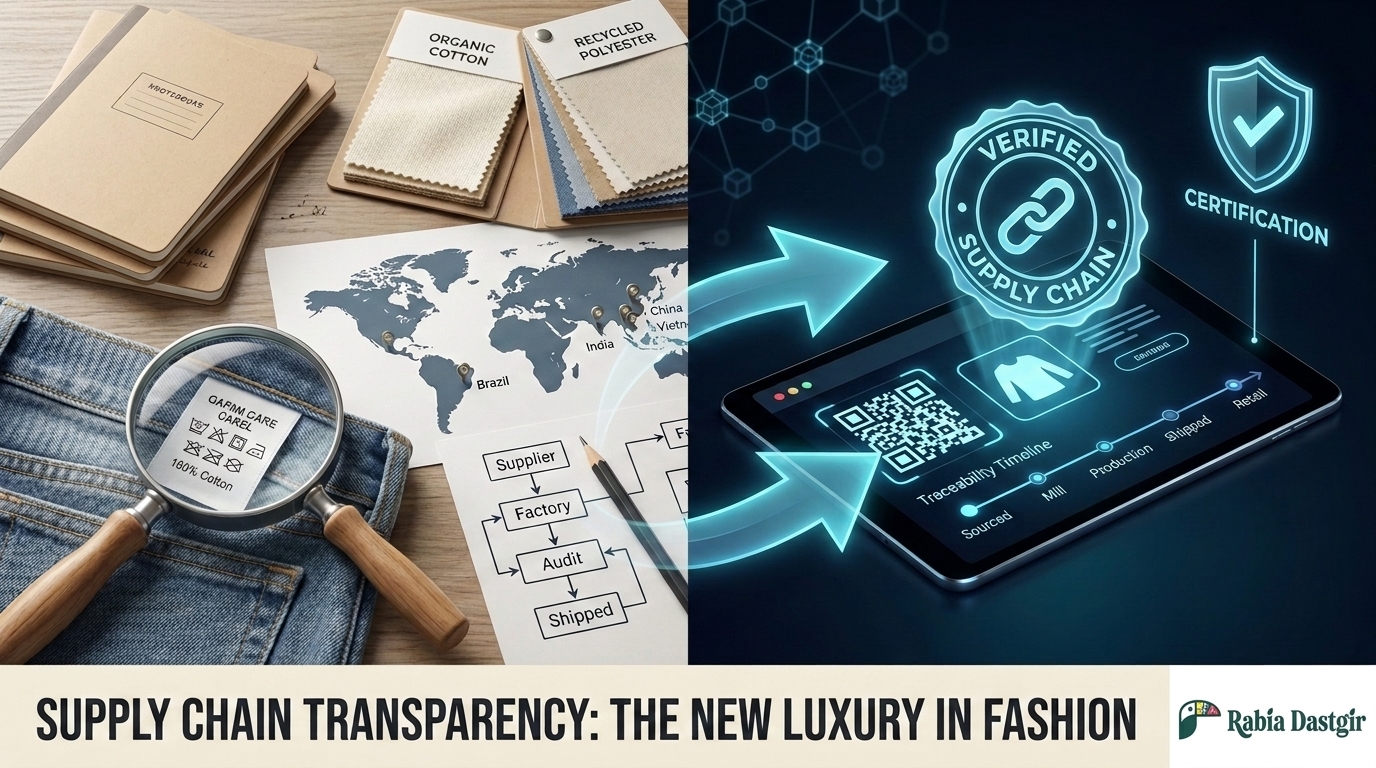
Transparency is no longer optional. Brands earn trust by publishing sustainability reports, disclosing factory locations, and explaining sourcing decisions. Patagonia, for example, has built a global following by being radically transparent about its supply chain.
2. Material Innovation
Authentic sustainability begins at the fiber level. Next-gen fabrics such as hemp, organic cotton, mushroom leather, and recycled polyester help brands reduce environmental footprints while ensuring materials are renewable or compostable.
3. Circular Fashion Models
Linear production — take, make, waste — is outdated. Leading brands are embracing circularity through resale programs, repair initiatives, and rental services to extend product lifecycles.
4. Technology as a Driver
Digital tools make sustainability scalable. 3D prototyping reduces fabric waste, AI-driven forecasting prevents overproduction, and Blockchain provides end-to-end supply chain traceability.
5. Authentic Storytelling
Sustainability is not just about what you do, but how you tell your story. Consumers connect with human narratives, such as garments designed from recycled fishing nets or collections crafted by empowered women artisans.
The Economics of Authentic Sustainability
Sustainability drives profitability when done right:
- Consumer loyalty: Shoppers pay a premium for brands they trust.
- Operational efficiency: Waste-reduction measures lower long-term costs.
- Market differentiation: Sustainability becomes a unique selling point (USP).
Our Role at Rabia Dastgir Design Consultants
At Rabia Dastgir Design Consultants (RDDC), we believe that sustainability is the blueprint for the future of fashion. We help brands stand out authentically through:
- Sourcing & Supply Chain Strategy: Connecting brands with trusted, sustainable suppliers.
- Material & Design Innovation: Advising on eco-friendly fabrics and circular models.
- Sustainability Roadmapping: Aligning creative vision with responsible production.
- Brand Storytelling: Communicating your journey in powerful, transparent ways.
“It’s time to move beyond buzzwords. Let’s build brands that last. Contact Rabia Dastgir Design Consultants today to start your sustainability journey.”
What the Future Holds
The brands that thrive will be those that embed sustainability into their core DNA. The future of fashion lies in tech-powered traceable supply chains and mainstream circular business models.