The Economics of Sustainability in Fashion
Why Eco-Friendly Fashion Is Profitable
The Business Case for Sustainability
Consumer Loyalty and Premium Pricing
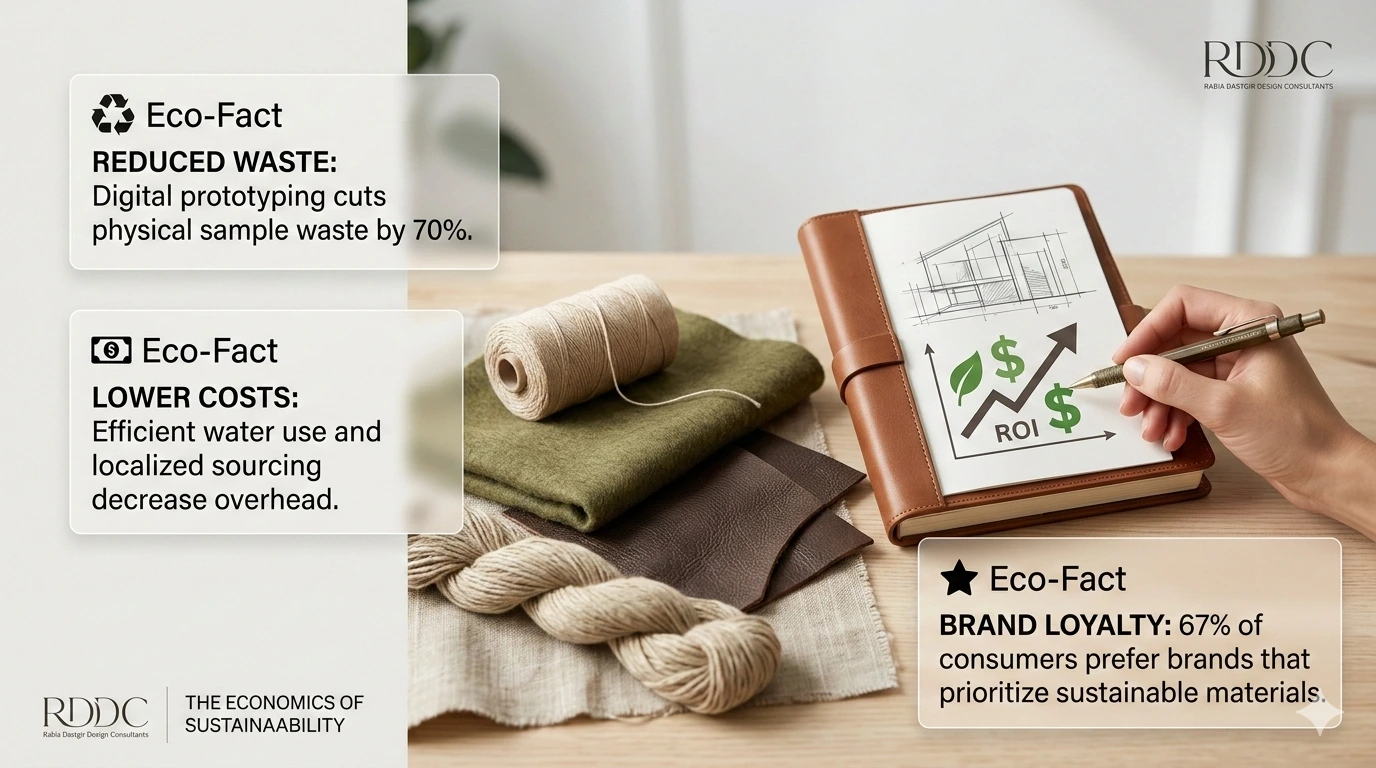
Modern consumers are willing to pay more for products that align with their values. A McKinsey study found that 67% of consumers consider sustainable materials a critical purchasing factor. This shift allows brands to maintain premium pricing while fostering long-term advocacy.
Cost Savings Through Efficiency
Eco-friendly practices often reduce long-term operational costs. Key examples include:
- Digital Prototyping: Significantly lowers sampling costs and material waste.
- Resource Management: Efficient water and energy use reduces monthly utility bills.
- Circular Models: Repair, resale, and recycling extend product life cycles and create new revenue streams.
Access to Investment and Partnerships
Investors increasingly seek businesses that align with strict sustainability metrics. Companies with strong ESG strategies attract higher levels of funding, whereas high-risk brands are being excluded from global supply chains.
Key Strategies for Profitable Sustainability
To master the economics of sustainability in fashion, brands must look beyond the surface. Implementing circular fashion models—such as rental or resale platforms—unlocks recurring revenue from the same garment.
Furthermore, Material Innovation reduces reliance on volatile, unsustainable fabric markets. Brands like Stella McCartney lead by integrating mushroom-based leather, while others utilize plant-based alternatives to lower environmental impact and appeal to niche markets.
Finally, Digitalization minimizes physical waste, cuts sample production costs, and accelerates speed-to-market. This dual benefit makes tech-adoption both an economic and environmental win.
Profit-Driven Sustainability in Action
Several global leaders demonstrate that eco-conscious moves lead to fiscal growth:
- Lululemon: Scaling sustainable materials while achieving record global revenue.
- H&M’s Conscious Collection: Despite industry criticism, the H&M Conscious initiative proves that eco-lines drive significant new revenue streams for mass-market retailers.
- Canadian Innovators: Emerging designers are proving that sustainability amplifies creativity rather than hindering it.
How RDDC Drives Your Profitable Future
At Rabia Dastgir Design Consultancy, we help brands balance profit with purpose through:
- Strategy Alignment: Integrating sustainability into your core business model.
- Supply Chain Optimization: Identifying cost savings through eco-efficient practices.
- Material Sourcing: Guiding you toward innovative, profitable fabric alternatives.
- Consumer Engagement: Helping you tell a sustainable story that drives sales.