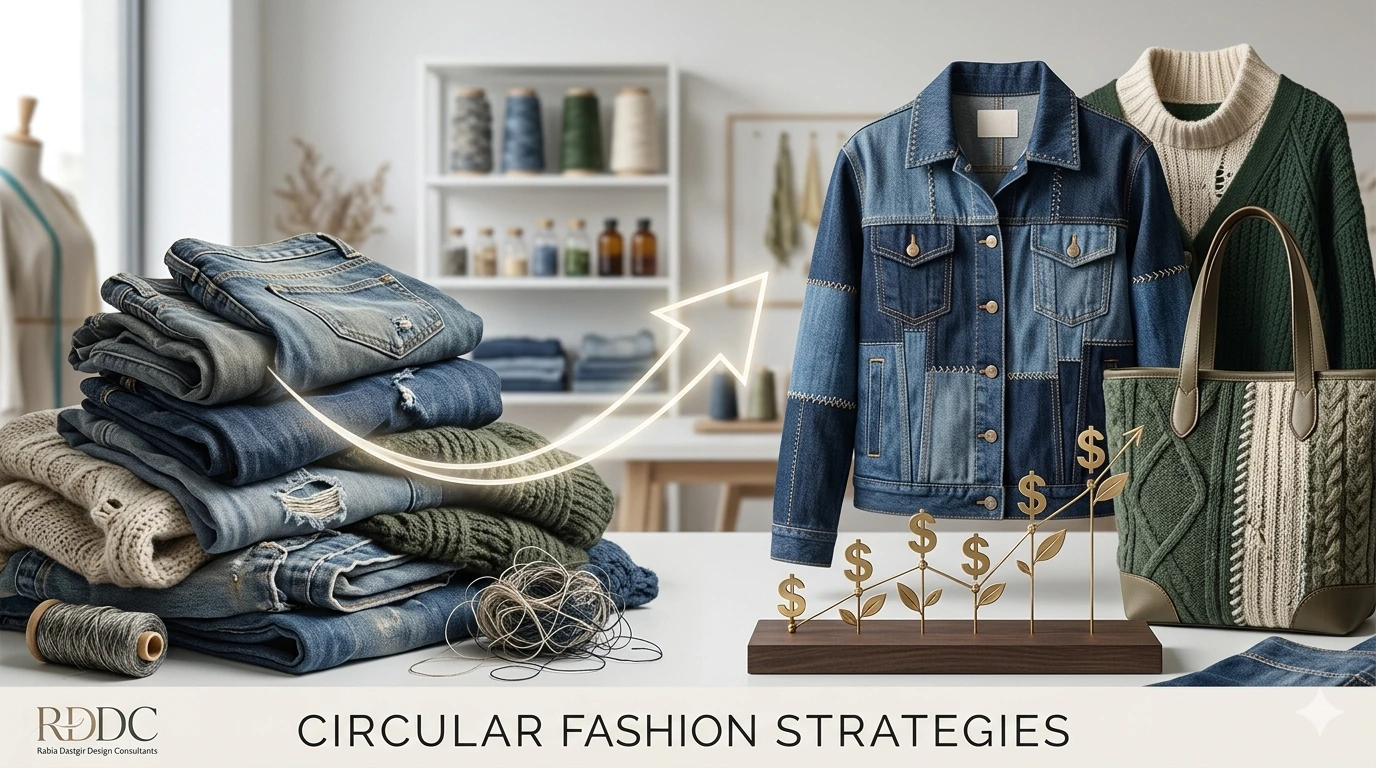
The Future of Circular Fashion
Turning Waste Into Wealth
Why Circularity Matters Now
Several converging forces make the adoption of circular systems both urgent and attractive for modern labels:
- Resource Pressure: Rising material costs make recovering existing fibers more economical than sourcing raw ones.
- Consumer Behavior: Younger shoppers increasingly prioritize longevity and trust the resale market.
- Regulation: New policies, such as Extended Producer Responsibility (EPR), are pushing disposal costs back onto producers.
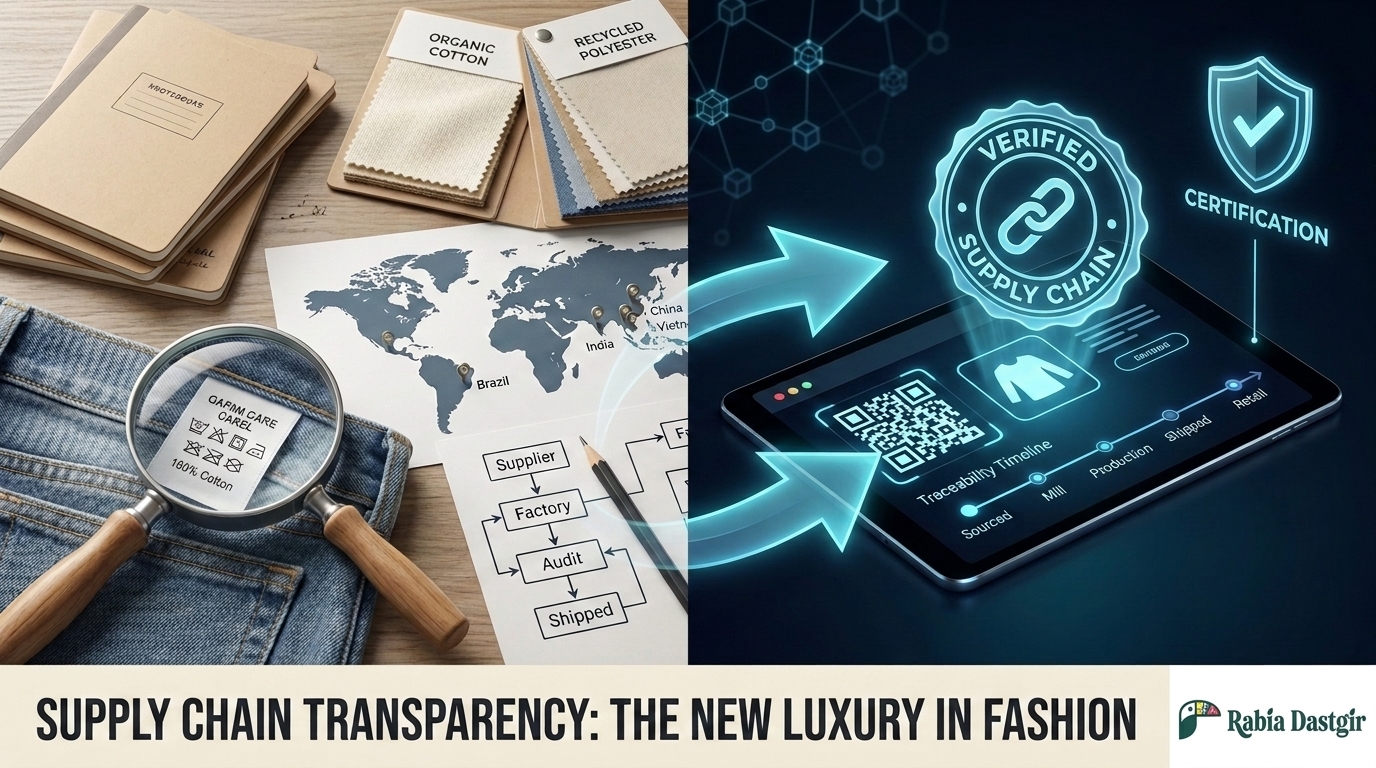
- Technology: Digital IDs and blockchain traceability make global circularity feasible at scale.
Circular Fashion Business Models That Work
Transitioning to a circular economy requires diverse revenue streams. Here are the most effective models currently scaling in the industry:
1. Resale and Re-commerce
Resale captures value that would otherwise be lost. Whether through brand-operated marketplaces or certified pre-owned platforms, resale introduces your products to new audiences while maintaining brand equity.
2. Rental and Subscription
For high-end pieces or rapid fashion cycles, rental provides access without the environmental cost of ownership. These models create predictable, recurring revenue that stabilizes cash flow.
3. Repair and Upkeep Services
Offering repair services extends the lifetime of a garment and deepens the customer relationship. According to reports from the Apparel Logistics Group, efficient refurbishment is becoming a key differentiator in luxury retail.
4. Design for Disassembly
Circularity starts at the drafting table. By using mono-materials and detachable trims, brands ensure that garments can be easily recycled at the end of their life cycle.
The Economics of Circularity
Skeptics often view circularity as a cost center, but in practice, it raises lifetime customer value. Resale margins can be higher than new product margins because the sourcing and acquisition costs are fundamentally different. Furthermore, moving toward circular fashion business models reduces long-term reliance on volatile raw material markets.
How RDDC Operationalizes Circularity
At Rabia Dastgir Design Consultants, we design end-to-end strategies that align with your brand identity:
- Product Design: We integrate modularity and recyclability into your core collections.
- Model Piloting: We help you launch resale or rental services with proven unit economics.
- Partnership Sourcing: We connect you with certified refurbishers and textile recyclers.