From Spreadsheets to Smart Systems: Why Businesses Must Embrace Digital Transformation
Digital Transformation for Fashion Businesses: Beyond the Spreadsheet
Why Traditional Manual Systems Fail
Before embracing a digital-first approach, it is important to understand the hidden costs of legacy systems. Traditional workflows often suffer from three critical flaws:
- Data Silos: Manual spreadsheets result in fragmented data, making it difficult to track supply chains or forecast demand accurately.
- Human Error: Manual entries are prone to mistakes, leading to financial miscalculations and production delays.
- Lack of Scalability: Traditional systems cannot keep up with growth. As operations expand, manual workflows become major bottlenecks.
The Core Benefits of Digital Transformation
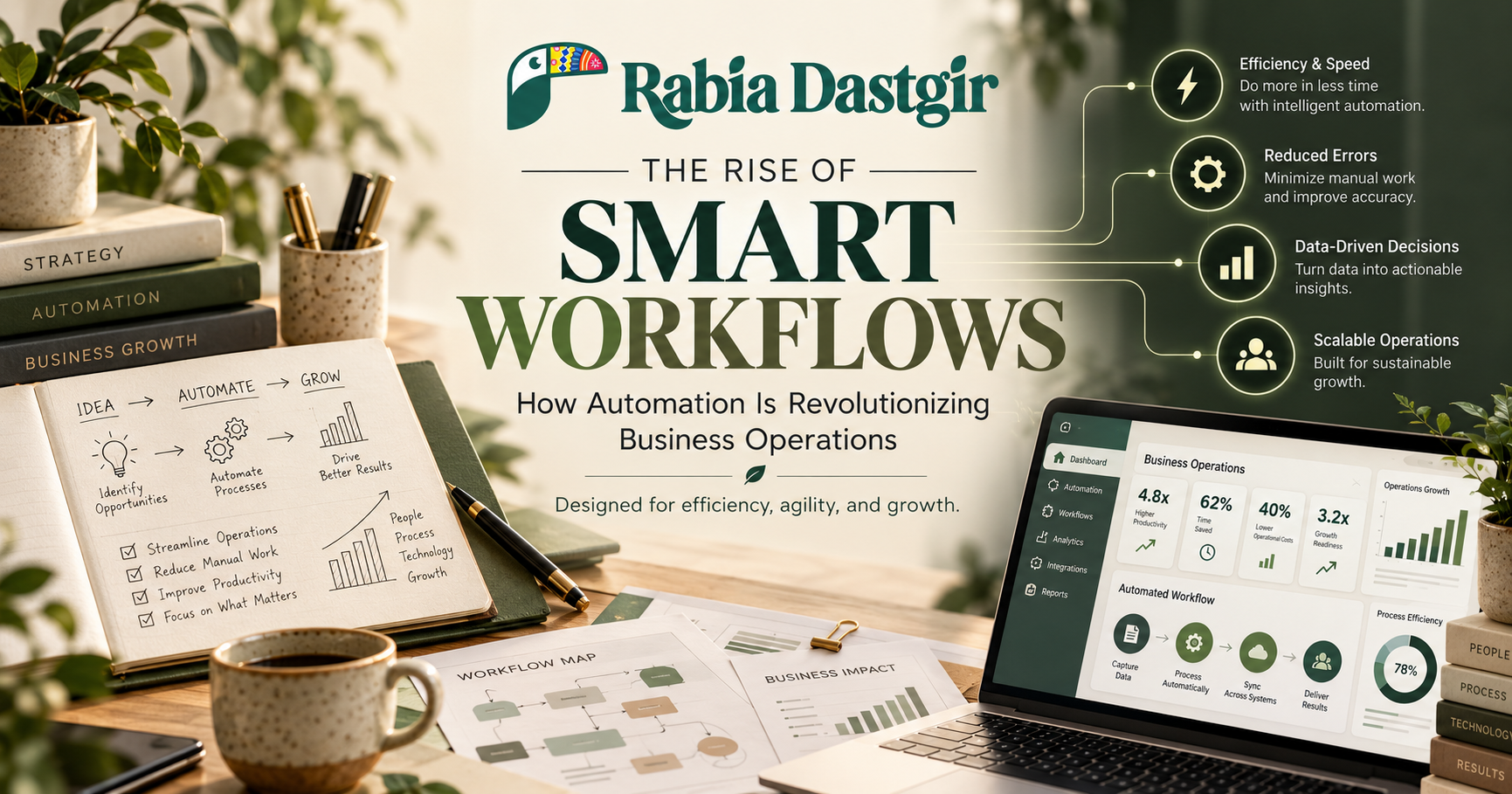
Implementing digital transformation for fashion businesses brings a suite of high-impact tools to the table. By migrating away from localized files, brands unlock a new level of agility.
Cloud-Based Efficiency
By moving to cloud platforms, brands gain real-time data accessibility. Teams across the globe can work seamlessly on shared systems, ensuring that design and production stay perfectly aligned.
Automation and AI
Repetitive tasks like inventory tracking and order management can now be automated. This frees your human talent to focus on what matters most: creative and strategic initiatives.
Predictive Analytics
Machine learning models analyze patterns to predict consumer demand. This optimization reduces deadstock waste and significantly boosts profitability by ensuring you produce exactly what the market wants.
Industry Leaders: Success in Action
Global giants like Zara and Nike have already embraced digital-first operations. Zara uses AI-powered inventory management to forecast regional demand with surgical precision. Meanwhile, Nike integrates direct consumer data into product development, ensuring every design aligns with customer expectations before it ever hits the shelf.
RDDC: Your Digital Transformation Partner
At Rabia Dastgir Design Consultants, we specialize in guiding creative businesses through complex digital transitions. Our approach includes:
- Process Mapping: We identify exactly where your traditional workflows are falling short.
- System Integration: From ERP to CRM, we ensure your platforms are interconnected.
- Change Management: We help your team adapt culturally and practically to new technologies.
- Future-Proofing: We align your digital strategy with sustainability and long-term engagement goals.